Why accessibility matters

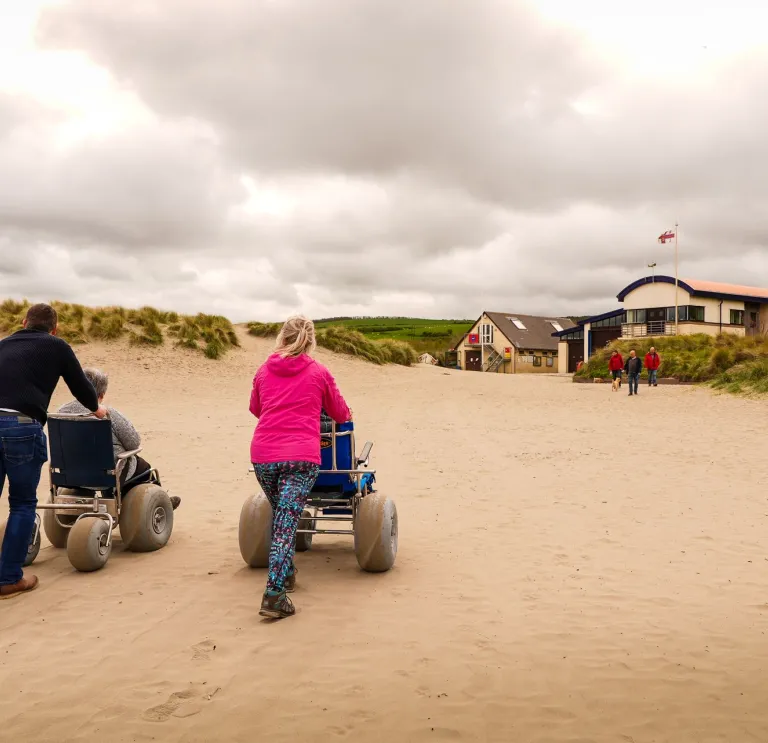
Accessibility and inclusion aren’t just nice-to-haves—they’re essential. Every visitor deserves the chance to experience the beauty, culture, and adventure Wales has to offer. By making your facilities and experiences accessible, you’re not only meeting legal requirements. You are opening your doors to a wider audience and creating a truly warm Welsh welcome.

Why it matters for your business

Accessible tourism isn’t just good practice—it’s good business. Visitors who feel welcomed and supported are more likely to return and recommend your destination. By embracing accessibility, you’re helping Wales become a destination for everyone.

The opportunity

Did you know that over 14 million people in the UK live with a disability? Many travel with family, friends, or carers, meaning accessible tourism benefits everyone. By investing in accessible features, you’re helping Wales stand out as a destination that cares.

  • Disabled visitors and their companions account for around one quarter of visitors to Wales.
  • More than £1.1bn visitor expenditure in 2024.
  • Accessible tourism could grow further if barriers are removed.
  • 83% of disabled people have decided not to visit a business because it appeared inaccessible or unwelcoming. 
  • Around 25% of overnight holiday trips to Wales include someone with an impairment or access requirement.

What does accessibility look like? 

It can include:

  • Physical access: Step-free entrances, ramps, wide doorways, clear and accessible signage, and accessible toilets.
  • Visual accessibility: Good lighting, high-contrast signage, large-print materials, tactile information, and accessible wayfinding.
  • Hearing accessibility: Hearing loops, captioned audio-visual content, quiet spaces for communication, and staff trained in supporting people with hearing impairments.
  • Hidden disabilities and neurodiversity: Quiet or sensory-friendly areas, flexible customer service approaches, clear information, and staff trained in understanding hidden disabilities and neurodiverse needs.
  • Inclusive experiences: Adapted activities, wheelchair-friendly trails, and venues that cater to dietary and sensory needs.
  • Digital accessibility: Websites that meet WCAG standards, easy-to-read content, and clear booking information.

Ways to make your business more inclusive
  • Make adjustments to your product or service to become more accessible

    Consider physical, sensory, cognitive and hidden accessibility needs. This could include: 

    • step-free access
    • accessible toilets
    • hearing loops
    • quiet spaces
    • clear signage
    • large-print information
    • adapted activities
    • and flexible ways for visitors to access your services.
  • Provide clear, detailed accessibility information online

    Share photos, videos, stories and testimonials that showcase your accessible facilities and inclusive experiences. This helps visitors understand what to expect and gives them confidence to plan and enjoy their visit.

    Explain access arrangements honestly and in detail, including: 

    • parking
    • entrances
    • toilets
    • hearing support
    • sensory environments
    • mobility access
    • available equipment
    • and any limitations. 

    The more information you provide, the easier it is for visitors to make informed decisions before they travel.

  • Train your team to understand accessibility needs

    Give your staff the knowledge and confidence to support visitors with different access requirements. This includes disabled people, neurodivergent visitors and those with hidden disabilities. A friendly, understanding approach can be just as important as physical improvements.

    Skills resources and support
  • Communicate in accessible ways

    Use clear language, offer information in different formats where possible. Ensure visitors can contact you through a range of channels. Simple, inclusive communication helps everyone feel welcome.

    Encourage visitors to share their access needs before and during their visit. Listen to their feedback and use it to improve the experience you offer.

  • Explore resources available from PIWS

    PIWS is a Wales-based not-for-profit organisation that helps create a more accessible and inclusive Wales. Its resources can help you improve accessibility and create a more welcoming experience for all visitors - Let’s create a more accessible Wales Together | Piws

    An Introduction to Accessibility video is available. You will need to register via the Cofestru / Register button to access the video. It will help you:

    • recognise common accessibility barriers
    • understand what good accessibility looks like
    • identify and prioritise improvements
    • identify improvements that could have the greatest impact
    Watch the Introduction to accessibility video from PIWS
  • Ask visitors about their experience

    Use this Visitor Accessibility Questionnaire to gather feedback from visitors. This is designed for visitors to tell you about their experience and is a simple way to identify visitor needs, what is working well, where barriers may exist and prioritise areas for improvement.

    You can print copies and place them somewhere visible and easy to access. Visitors can then quickly share feedback about their experience. 

    Visitor Accessibility Questionnaire
  • Review and consider the whole visitor journey

    Accessibility is about more than the venue itself. Consider every stage of the visitor journey, from booking and arrival to activities, customer service and departure. This helps you create an inclusive experience from start to finish.

    You can use the Business Accessibility Audit to review your visitor offer. The audit covers the full visitor journey, including:

    • information before arrival
    • arrival and access to the site
    • moving around the business
    • facilities and activities
    • communication and information
    • the sensory environment
    • comfort and wellbeing

    Use the audit to:

    • record your current accessibility provision
    • identify barriers and gaps
    • prioritise improvements
    • identify potential projects for funding

    Consider:

    • physical access, such as routes, seating, counters, toilets, signage and circulation space
    • information and communication, such as website information, contact methods and clear signage
Mainc hygyrch i ddefnyddwyr cadeiriau olwyn yn Talog Country Retreat
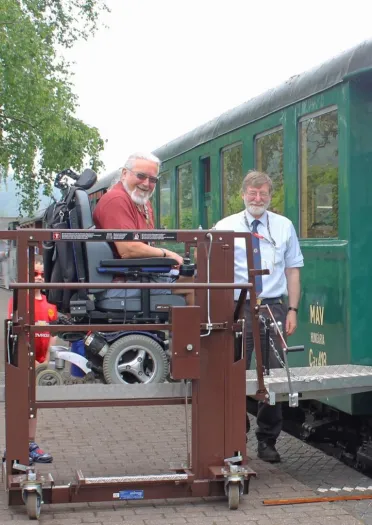
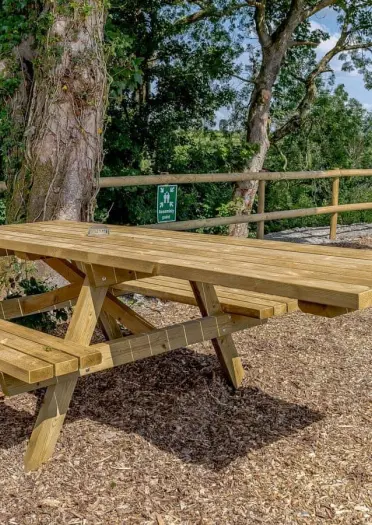
Wheelchair lift at Welshpool & Llanfair Light Railway, Mid Wales
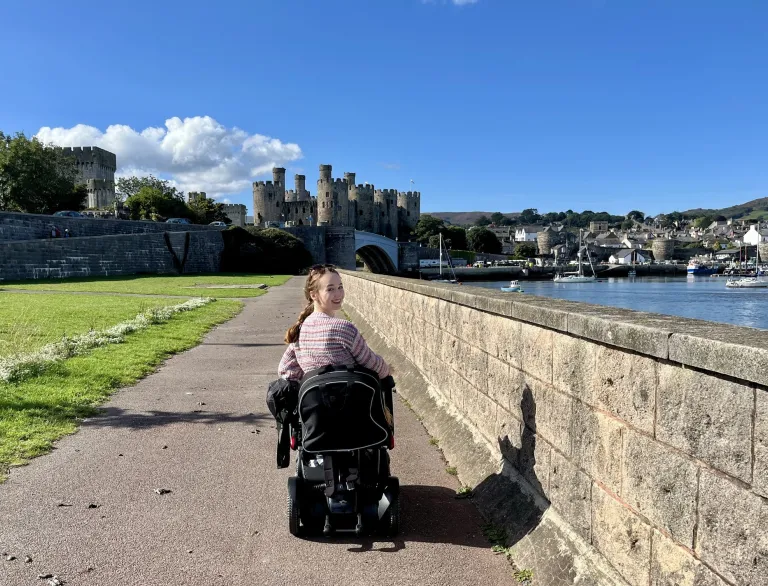
Pippa Stacey explores a section of the Wales Coast Path in North Wales

Wheelchair access bench at Talog Country Retreat | Wheelchair lift at Welshpool & Llanfair Light Railway, Mid Wales | Pippa Stacey explores a section of the Wales Coast Path in North Wales.

Inspiration from across Wales

Across Wales, tourism businesses are finding new ways to welcome more visitors. Stangwrach Holiday Cottages shows how accessible features can be part of a great visitor experience. The Wales Coast Path includes routes suitable for wheelchair users, families with buggies and people with limited mobility. These examples show that improving accessibility does not have to be complicated. Small changes can make a big difference. They can help your business reach more people and make Wales a welcoming destination for all.
  • Stangwrach Holiday Cottages - Creating Inclusive Stays

    Stangwrach Holiday Cottages shows how accessibility can be woven into the visitor experience. Their commitment to inclusive hospitality has been recognised with the Accessible and Inclusive Tourism Award at the National Tourism Awards for Wales '25.

    Designed to welcome guests travelling independently, with carers, families and groups, their accessible cottages include features such as step-free access, wheelchair-accessible bedrooms, spacious wet rooms, mobility equipment and adaptable spaces.

    Their success highlights how thoughtful design can help more people enjoy a break in Wales. Whether you make small improvements or larger investments, accessibility can open your business to new audiences and help everyone feel welcome.

    Stangwrach Holiday Cottages
  • Wales Coast Path - Accessible routes

    The Wales Coast Path can be enjoyed by everyone. Its 870 miles include many routes suitable for wheelchair users, families with buggies and people with limited mobility.

    Working with Experience Community, the Wales Coast Path has created a range of accessible itineraries. Several routes have been assessed in person and include clear information on gradients, surfaces and potential barriers.

    Accessible walks: Wales Coast Path
  • Pippa Stacey highlights accessible routes in North Wales

    Working with Visit Wales and Wales Coast Path, disability advocate and content creator Pippa Stacey showcases accessible sections of the Wales Coast Path in North Wales, helping to inspire more people to explore Wales with confidence. During her visit to Llandudno, Pippa experienced a range of wheelchair-accessible attractions, places to eat and drink, and accessible stretches of the Wales Coast Path. 

    Through videos, photography and first-hand storytelling, the campaign highlights what visitors can expect, demonstrates the accessibility of the area, and helps people plan enjoyable and accessible coastal adventures in Wales.

    Take a look at Pippa Stacey Instagram account

Inspiration for accessible experiences to share with visitors

Related stories

Halen Môn, Anglesey

Sense of Welshness

Help visitors experience what makes Wales and your local area distinctive through its language, culture, food, stories and character.

Group boarding Dale Princess boat at Martin's Haven, Skomer, Pembrokeshire.

Working with us

Find out about the different ways you can work with us and connect with the Visit Wales industry team